How to Set Up Plug-In Solar in a Rented Flat (No Drilling)
How to set up plug-in solar in a rented flat with no drilling: no-drill mounting, safe plugging in, the G98 step, and keeping your deposit safe.
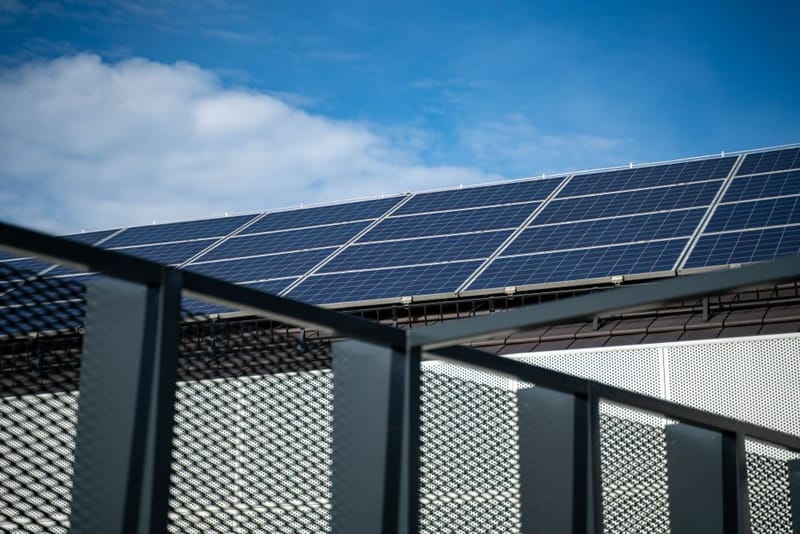
The appeal of plug-in solar for renters is that the whole thing is designed to go up, and come down, without touching the building. No drilling, no wiring, no trace on the wall. Set it up the right way and you get real solar in a rented flat while keeping your deposit and your landlord happy. Here is how, step by step.
Can you really set up plug-in solar without drilling?
Yes - that is the entire point of a plug-in system, and it is what separates it from rooftop solar. A certified plug-in kit is a panel, a small inverter and a plug on a lead, mounted on hardware that clamps, straps or stands rather than screws into the fabric of the building. Nothing is fixed permanently, so there is nothing to make good when you leave. Before you buy, get your landlord's consent - our guide to whether you need landlord permission for plug-in solar covers where renters stand.
What are the no-drill ways to mount a panel?
Match the mount to your space:
- Balcony-railing clamps or straps. The classic option: brackets that clamp over the railing and tilt the panel out to catch the sun. Nothing pierces the railing.
- Freestanding frame or A-frame. A weighted, angled stand that sits on a flat roof, patio or garden and holds the panel at the right pitch - ideal if you have ground space rather than a railing.
- No-drill wall or window brackets. Tension or heavy-duty adhesive mounts for a sunny wall or window, useful in flats with no outdoor rail.
- Weighted base. Ballast blocks or sandbags on a flat surface, the simplest fully reversible option of all.
Whatever you choose, secure it properly against wind - a loose panel on a high balcony is a hazard, so favour a solid clamp or a well-weighted base.
Where should you put the panel?
Aim for a spot that faces roughly south and stays unshaded through the middle of the day, since shade from a building, tree or railing cuts output sharply. A balcony, a bit of garden, a flat roof or a sunny external wall all work. Then keep the run to the socket short and tidy.
How do you plug it in safely?
This part has firm rules. Plug the kit's factory-fitted cable straight into a fixed mains socket - the specification bans connecting it through an extension lead, a multi-way adaptor or an RCD adaptor, so it has to be a proper wall socket on a sound, RCD-protected circuit. Do not modify the cable or plug. If any of that is not possible in your flat, that is a sign to get an electrician's eyes on it rather than improvise.
The one bit of paperwork: telling your network
Even a small compliant kit needs one notification: you (or the kit supplier) must tell your Distribution Network Operator - the company that runs the local electricity cables - under a rule called G98. It is a connect-and-notify step, meaning you can set the system up and then register it. It is quick, and it keeps everything above board with the grid.
How do you keep it deposit-safe?
Renter-proofing is mostly about discipline: use only no-drill fixings, avoid anything that marks the wall or railing, and keep the original sockets and surfaces untouched. Take photos before and after so you can show the space is exactly as you found it. When you move, the whole system unclips, unplugs and comes with you - which is the reason plug-in solar suits rented homes in the first place.
Frequently asked questions
Do you need to drill anything for plug-in solar?
Can you plug plug-in solar into an extension lead?
Do you have to tell anyone you have installed it?
Will a balcony panel blow off in the wind?
More renter-friendly solar and energy guides
No-drill, deposit-safe ways to cut your energy use in a rented flat.