Plug-In Solar Batteries UK: What's Coming and When (2026)
Plug-in solar batteries are not legal in the UK yet: the 27 August 2026 rules cover panels only. Here is why storage is excluded and what must change.
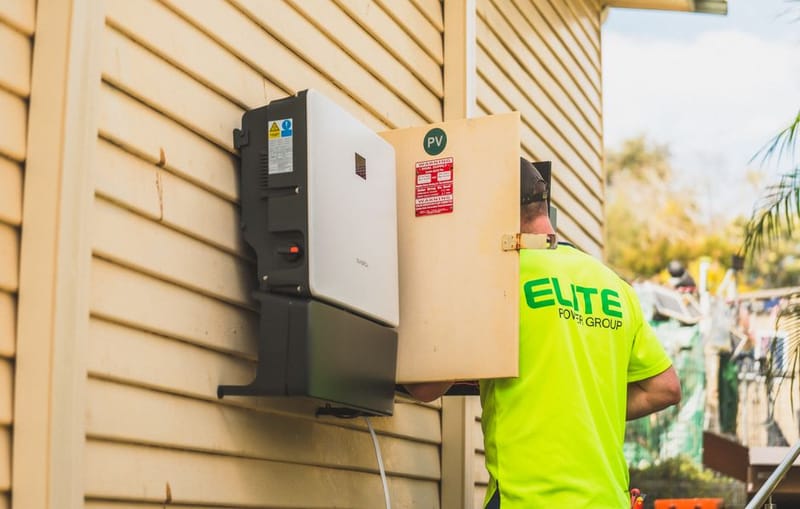
The reform that makes plug-in solar legal from 27 August 2026 is real, but it stops at the panel. If you are a renter hoping to store the free afternoon sun and use it after dark, the battery half of that dream is not covered by the new rules, and no date has been set for when it will be. This page tracks where plug-in solar batteries actually stand and what has to happen before they arrive.
Are plug-in solar batteries legal in the UK yet?
No. The new route legalises the plug-in microgenerator (the term in SI 2026/848 for a plug-in solar system with no battery, connecting straight to a standard three-pin socket). Storage sits outside that definition: a compliant product must not be designed to import electricity in order to store it for later. Because the exclusion is written into the legal definition itself, adding a plug-in battery to your home circuit is not permitted under this route, and bringing batteries in would need Parliament to amend the regulations again. The government set out the framework in its plug-in solar consultation and response, which defines the battery-less category and leaves storage as a separate question.
Why are batteries excluded from the plug-in solar rules?
The reason is electrical safety, not red tape. BS 7671 (the UK wiring regulations, also known as the IET Wiring Regulations) does not currently permit a plug-in device to push power back into a home's ring circuit for storage. The specific hazard is load masking (a fault condition where a circuit breaker cannot see the extra current a plugged-in battery adds, so the wiring can end up carrying more than it is rated for), which is a fire risk. A solar microinverter has been engineered around this for the 800W panel route, where power only ever flows one way at a modest cap. A battery that both charges from and discharges into a plug is a harder problem to make safe, which is why it was left out of the first round.
How would a plug-in battery work with an 800W solar kit?
The appeal is obvious. An 800W plug-in solar kit generates most of its power in the middle of the day, exactly when many renters are out. Without storage, that surplus is either used by whatever happens to be switched on or sent to the grid for nothing. A plug-in battery would capture the daytime surplus and release it in the evening, when your usage peaks and electricity is dearest. That is why the exclusion frustrates so many people: it is widely seen as roughly halving the real-world payback of a plug-in system. Our guide on whether plug-in solar is worth it for renters works through the numbers for the panel-only setup you can legally have today.
What is being proposed, and when could it happen?
There is no government commitment and no date. The clearest signal so far is industry advocacy. Regen (an independent energy think-tank) published a call in May 2026 for ministers to let plug-in batteries follow plug-in solar, proposing an 800W discharge limit to match the panel rules. It asks DESNZ (the Department for Energy Security and Net Zero) to commit to a legalisation date, commission rapid safety studies, update the wiring regulations through the IET and BSI, and write new fire-safety standards for portable battery units. Regen frames the prize in terms of the households the panel-only rules leave short-changed, estimating that storage could add up to around 2,400 pounds of savings over ten years for higher-use homes and pointing to the millions of renters and flat-dwellers who cannot fit a rooftop system. You can read the argument in full in Regen's plug-in batteries briefing. None of it is policy yet, so treat any specific date you see quoted elsewhere with caution.
Beware batteries marketed as already legal
As the 27 August date nears, expect plug-in battery products to be marketed with reassuring-sounding compliance claims. A general G98 approval (the grid-connection recommendation for small generators) that predates these rules is not the same as certification under the 2026 plug-in solar route, and in any case that route does not cover batteries at all. A listing that says "G98 compatible" or "UK plug included" proves nothing about whether a battery is legal to wire into your home. Until the regulations are amended and a genuine storage route exists, treat any "already legal in the UK" plug-in battery claim with scepticism.
What can renters do in the meantime?
There is a legal interim option: a portable power station. Because you charge it and then plug appliances into it, rather than feeding power back through your wall sockets, it never touches your fixed household wiring and so it sits outside these rules. Charged from an 800W plug-in solar kit during the day, or topped up on a cheap overnight tariff, it captures some of the same benefit a true plug-in battery would. It is not as seamless, it will not export to the grid, and it is a bigger up-front cost, but it is the honest way to store some of your own power today without breaking the wiring regulations. If you have not set up the panel side yet, our guide to setting up plug-in solar in a rented flat with no drilling covers the part that is legal now.
Frequently asked questions
Can I add a battery to a plug-in solar kit in 2026?
Will plug-in solar batteries ever be allowed in the UK?
Why can I buy a plug-in battery online if it is not legal?
What is the safe alternative right now?
Keep tracking this: the plug-in battery question is a developing story, and we update this page as the policy moves. For the rules that are already confirmed, start with our pillar guide to plug-in solar panels for UK renters, then check whether you need landlord permission before you install anything.